
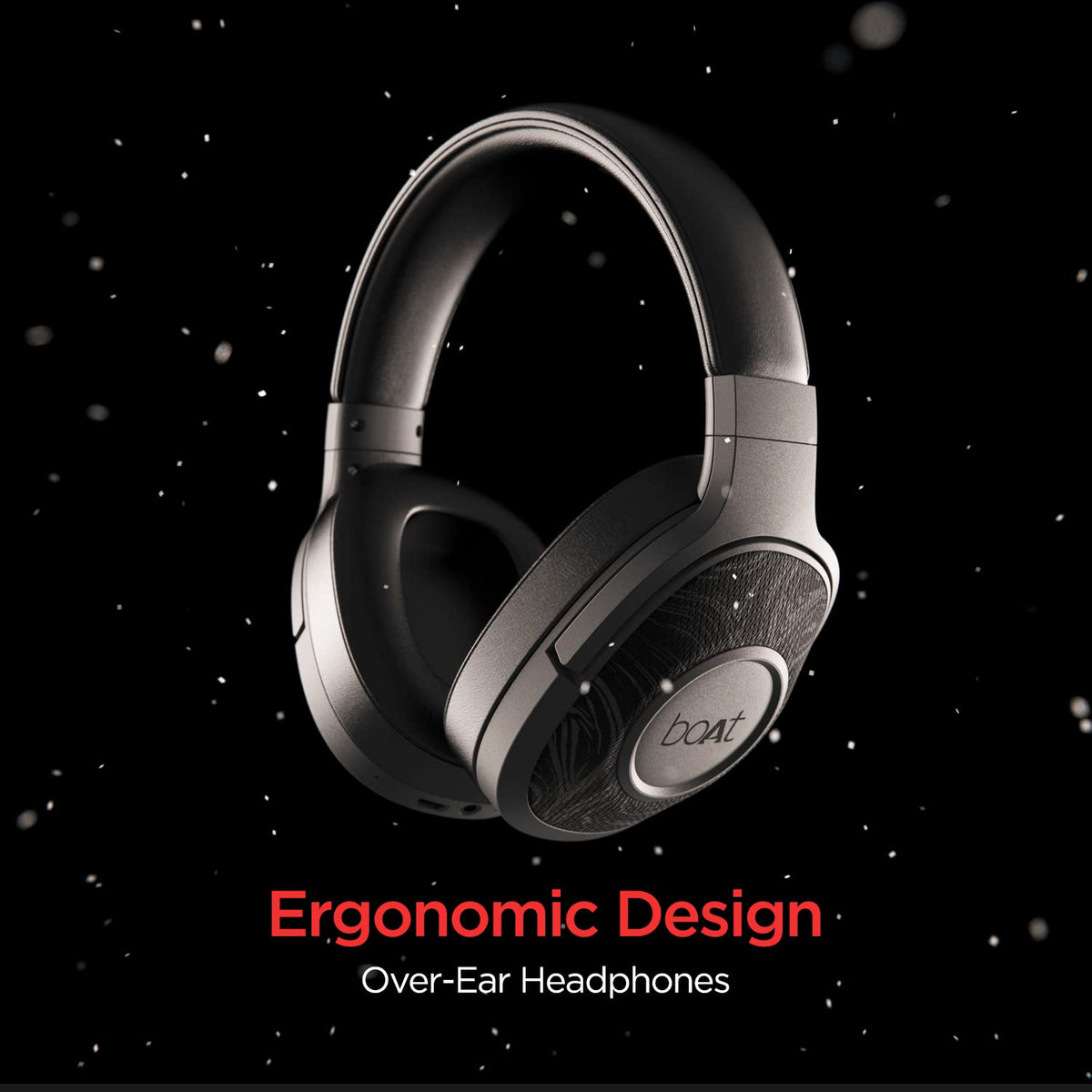
Earbud and headphone listings often lead with driver size: 10mm, 12.4mm, 40mm, 50mm. It is tempting to assume bigger is better. Driver size does play a role, but it is one of many factors, and often not the most important one. Here is what it really tells you.
What a driver is
The driver is the tiny speaker inside each earbud or earcup. Most are dynamic (moving-coil) drivers: a thin diaphragm attached to a coil moves back and forth in a magnetic field, pushing air to create sound. The size quoted is the diameter of that diaphragm, in millimetres.
What size can affect
A larger diaphragm can move more air for the same movement, which can make deep bass and higher volume easier to achieve. That is one reason headphones use much bigger drivers than earbuds.
But in-ear earbuds work in a tiny, sealed space: your ear canal. With a good seal, even a small driver can produce strong bass. Without a seal, even a large one sounds thin.
What matters as much, or more
- Fit and seal: the biggest factor for bass and detail in earbuds.
- Tuning: how the brand balances bass, mids and treble through the acoustic design and vents.
- Diaphragm materials and build: stiffness and damping affect clarity and distortion.
- Digital processing: built-in EQ and sound modes shape the final sound.
- Driver setup: some earbuds use two drivers, each handling part of the range. Others use balanced armature drivers, which are small and precise and common in multi-driver in-ear monitors.
Typical driver sizes
| Device type | Typical size | Notes |
|---|---|---|
| True wireless earbuds | Roughly 5–14mm | Seal and tuning matter more than a few millimetres |
| Neckband earbuds | Similar to true wireless earbuds | The same in-ear principles apply |
| On-ear headphones | Often 30–40mm | Smaller earcups |
| Over-ear headphones | Often 40–50mm | Larger earcups leave room for bigger drivers |
Do not compare driver sizes across these types. A 50mm headphone driver and a 12mm earbud driver work in completely different acoustic spaces.
What about impedance and sensitivity?
Listings often show impedance (in ohms) and sensitivity (in dB) as well. These figures matter most for wired headphones, where they affect how easily a phone or amplifier can drive them. In wireless earbuds and headphones, the built-in amplifier is designed around the driver, so for Bluetooth listening these numbers tell you little about how loud or how good they will sound.
Examples from the catalogue
- The realme Buds Wireless Pro neckband lists a 13.6mm bass boost driver.
- The OnePlus Buds 3 list dual drivers: 10.4mm plus 6mm.
- The boAt Rockerz 550 over-ear headphones list 50mm dynamic drivers.
The first two are both in-ear designs that take different approaches. Neither number on its own tells you which you will prefer; tuning and fit decide that.
What to look at instead
- The sound description: bass-focused, balanced or bright.
- An EQ in the app, so you can adjust the sound yourself.
- Fit: try every ear tip size and choose the one that seals comfortably.
- Your own ears: listen to familiar songs once the fit is right.
Quick answers
Does a bigger driver mean more bass?
It can make bass easier to produce, but fit and tuning usually matter more. A small driver with a good seal can deliver plenty of bass.
Are dual drivers better than a single driver?
Not automatically. Two drivers let each handle part of the range, but how well they are tuned together decides the result.
What is the difference between dynamic and balanced armature drivers?
Dynamic drivers use a moving diaphragm and are the most common type. Balanced armature drivers are smaller and often used in multi-driver designs. Neither is always better.
Is a 50mm headphone driver better than a 40mm one?
Not necessarily. Earcup design, tuning and fit matter more than the size difference.
Compare models in our wireless earbuds and headphones collections.


