
Water-resistance labels on earbuds and smartwatches look like codes: IPX4, IP54, IP68, 5 ATM. Each one describes a specific test, not a general promise that a device is waterproof. Here is how to read them, and what they do and do not cover.
How to read an IP code
IP ratings, often read as Ingress Protection, come from the international standard IEC 60529. The code has two digits:
- First digit, solids and dust (0–6): 5 means dust-protected (some dust may get in, but not enough to affect operation) and 6 means dust-tight.
- Second digit, water (0–9): 4 means splashing water, 5 means water jets, 7 means temporary immersion up to 1 metre for 30 minutes, and 8 means continuous immersion beyond 1 metre under conditions the manufacturer specifies.
- X means the product was not rated for that category, so IPX4 says nothing about dust.
A higher water digit does not always include the lower tests. A product rated only IPX7 has not necessarily been tested against water jets, which is why some products carry two ratings, such as IPX5/IPX7.
Common ratings at a glance
| Rating | Dust | Water | In everyday terms |
|---|---|---|---|
| IPX4 | Not rated | Splashing water from any direction | Sweat and light rain |
| IPX5 | Not rated | Water jets from any direction | Heavier sweat and rain |
| IP54 | Dust-protected | Splashing water | Sweat, light rain and dusty commutes |
| IP55 | Dust-protected | Water jets | Workouts and rain |
| IP67 | Dust-tight | Immersion up to 1 metre for 30 minutes | Accidental dunks and handwashing |
| IP68 | Dust-tight | Immersion beyond 1 metre, as specified by the maker | Check the manual for depth, time and swimming advice |
| 5 ATM | Not covered | Pressure equal to 50 metres depth in a static test | Often rated for shallow swimming; check the manual |
What 5 ATM means
ATM ratings come from the watch standard ISO 22810 and describe water pressure, not dust. 5 ATM means the watch withstood pressure equal to a depth of 50 metres in a static test; it does not mean the watch is suitable for diving to 50 metres. Brands commonly rate 5 ATM watches for swimming in a pool or shallow water, but not for diving, high-speed water sports, hot showers or saunas.
What ratings do not cover
- The tests use fresh water. Sea water, chlorinated pools, soap, shampoo, hot water and steam are not part of them.
- Sweat is salty and can affect charging contacts and seals over time.
- Water resistance can reduce with age, drops and wear.
- For earbuds, the rating usually applies to the earbuds only, not the charging case, unless stated.
- IP68 alone does not mean a smartwatch is meant for swimming. Some makers rate IP68 watches only for rain, splashes and handwashing, so check the manual.
Examples from the catalogue
- The JBL Wave Buds list IP54 water and dust resistance.
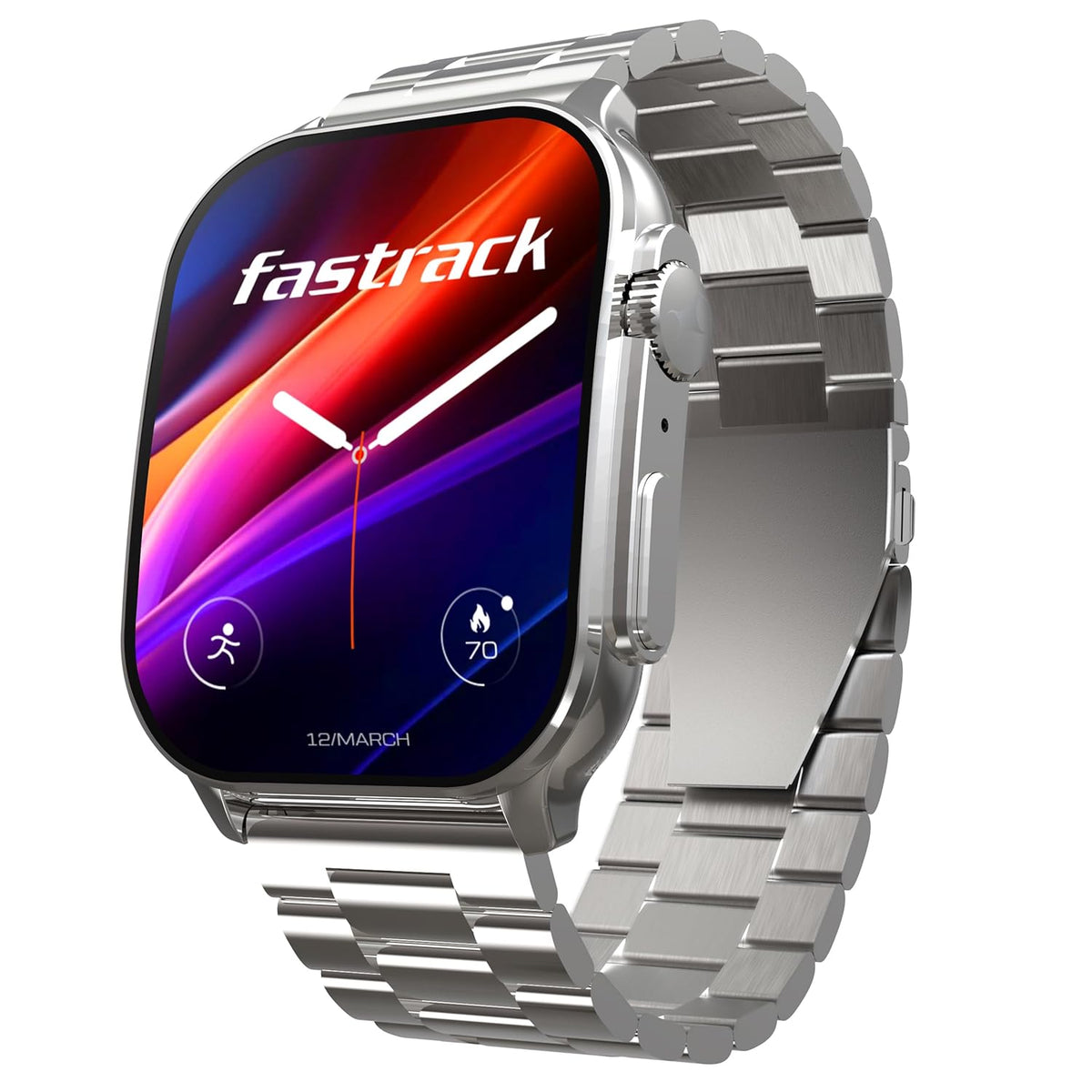
- The Fastrack Astor FS2 Pro smartwatch lists IP68 water resistance.
- The Redmi Watch 5 Lite lists a 5 ATM rating.
Good habits for any rating
- Wipe off sweat and water after use.
- Dry devices fully, including ports and charging contacts, before charging.
- Never charge a wet device or case.
- Avoid hot showers, saunas and steam rooms with any wearable.
- Do not dry devices with a hairdryer or heater.
- After sea or pool water, rinse with fresh water only if the manual allows it, then dry.
Quick answers
Can I wear IPX4 earbuds in the rain?
In light rain, generally yes. Wipe them dry afterwards, avoid heavy downpours and never submerge them.
Can I swim with an IP68 smartwatch?
Not necessarily. IP68 test conditions are set by the maker, and some IP68 watches are not meant for swimming. Check the manual; a 5 ATM rating is more commonly specified for swimming.
Can I shower with a water-resistant watch?
Many brands advise against it, because hot water, steam, soap and shampoo are not covered by the tests.
Is the charging case water resistant too?
Usually not, unless the product page says so. Keep the case dry, and make sure the earbuds are dry before you put them back.
Compare ratings across our wireless earbuds and smartwatches.


